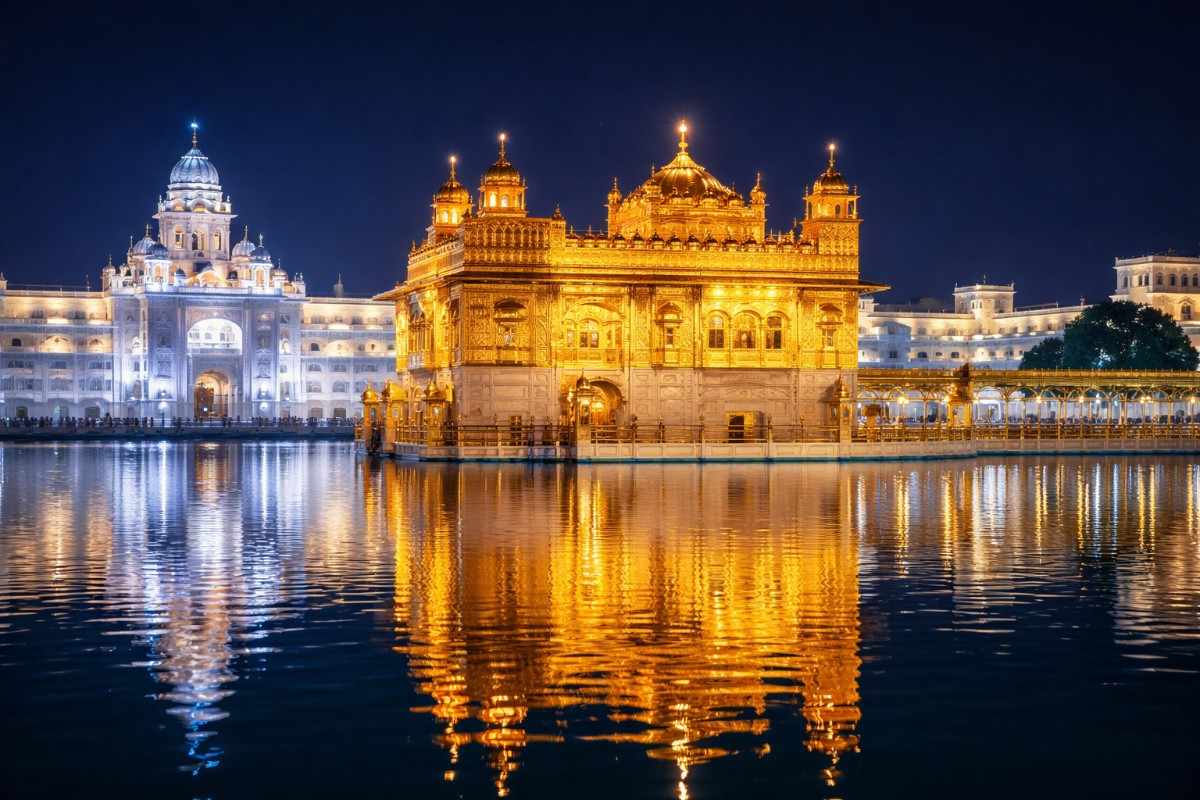
At 5 a.m., the Golden Temple is already one of the most beautiful things you have ever seen. The gold catches the first light over the Amrit Sarovar, the kirtan floats across the water from the sanctum, and priests are at the river with oil lamps before the city around them has woken up. Most foreign tourists who arrive without any preparation spend their first hour here stressed about an ATM queue or a QR code their banking app cannot read, rather than standing at that water, taking it in.
Amritsar is one of the easiest Indian cities to navigate when you know what to expect. Visiting hours, the best time to come, what the langar actually looks like from the inside, Wagah Border, the food, a realistic daily budget, and how to pay cashlessly from the moment you land are all covered below.
Key Highlights
- Entry to the Golden Temple is free for everyone, regardless of religion or nationality
- The temple is open 24 hours. Arriving at 4:30 to 5 am gives you the shortest queues and the best light
- The langar feeds over 100,000 people free every single day, and every visitor is welcome to eat
- The Wagah Border flag ceremony is 15km from Amritsar and free to attend
- October to March is the best season. April to September is extremely hot
- UPI is widely accepted in Amritsar. A CheqUPI wallet lets foreign tourists pay by scanning any QR code, using an international card to load funds
About the Golden Temple
The Golden Temple, formally known as Harmandir Sahib, is the holiest site in Sikhism and one of the most visited places of worship in the world. It sits in the heart of Amritsar, Punjab, surrounded by a sacred pool called the Amrit Sarovar. People of every religion, nationality, and background are welcome here. There are no restrictions on who can enter.
The temple was rebuilt with 750kg of gold leaf in the 1830s by Maharaja Ranjit Singh. The gold plating, the white marble walkways, and the langar serving more than a hundred thousand people daily make it unlike anywhere else you will visit in India.
A Brief History
Sikhism was founded in Punjab in the 15th century. The Golden Temple was built in the 16th century as a place of worship with entrances on all four sides, showing that no direction, caste, or religion is excluded from entering. That principle still governs how the temple operates today, five hundred years later.
Every visitor is treated identically inside the complex. You sit on the same floor, eat the same food, and wait in the same queue as everyone else. That equality is not incidental. It is the entire point of the place.
When to Visit
October to March is the best time to visit Amritsar. Temperatures sit between 15 and 25 degrees Celsius, and the days are clear. April to September is extremely hot, with temperatures regularly above 40 degrees, making daytime visits uncomfortable and draining.
Best Time of Day
Arriving at 4:30 to 5 am is the single best decision you can make about your Golden Temple visit. The temple at dawn is near-solitary. The gold reflects in the pool before the sun has fully risen. The kirtan (continuous scripture reading) drifts across the water from inside the sanctum. By 8 am, the crowds begin to build steadily.
Evening is also worth planning for. The Palki Sahib ceremony starts at 9:45 pm (10 pm in summer). The Guru Granth Sahib (holy scripture) is carried in a golden palanquin from the sanctum to the Akal Takht for the night. Thousands of devotees line the causeway, singing and throwing flower petals. It is a daily act of devotion, not a tourist event, and visitors are welcome to observe quietly from the walkway.
Best Time of Year
Sikh festivals called Gurpurabs bring millions of pilgrims to the temple. The two biggest are Guru Nanak Jayanti in November and Baisakhi on April 13 to 14. The atmosphere during these festivals is extraordinary. The temple is decorated, illuminated, and filled with devotion. The queues for the sanctum are also very long. Plan accordingly and decide what kind of experience you want.
What to Expect Inside
Entry is free. You must remove shoes at the entrance (a free cloakroom is provided), cover your head (a free cloth is available at the entrance), and wash your feet in the shallow channel at the gateway. This is mandatory for every visitor without exception, regardless of religion.
Once inside, you follow the marble parikrama (walkway) around the sacred pool and cross the causeway into the sanctum. Photography is permitted throughout the complex. Do not obstruct worshippers or hold a camera up during active prayer.
Temple Etiquette
Four rules apply to every visitor inside the complex:
- Remove shoes before crossing into the complex
- The head must be covered at all times inside
- No smoking, alcohol, or non-vegetarian food anywhere in the complex
- Dress modestly. Cover shoulders and knees.
Scarves and wraps are available free at the entrance for anyone who needs them. There is no dress code colour or style requirement beyond modesty.
The Sanctum Queue
The queue to enter the sanctum itself can run 2 to 4 hours on weekends and on festival days. Dawn queues are the shortest of the day. There is no fast-track option and no fee to skip ahead. Everyone waits in the same line.
Inside, the darshan (blessing) lasts 1 to 2 minutes as you pass through the sanctum. The queue is part of the experience. Use it to talk to the pilgrims around you. Most are happy to share why they are there.
The Langar
The langar is the Golden Temple’s community kitchen. It serves over 100,000 people free every single day, 365 days a year. Volunteers serve dal, sabzi, chapati, and kheer from large steel vessels. Every person who enters eats together, sitting cross-legged on the floor.
You do not need to be Sikh or make any donation to eat here. Partaking is actively encouraged for all visitors. If you want to give something back, you can volunteer for an hour in the kitchen washing dishes or peeling vegetables. Most visitors who do this say it is the most memorable hour of their trip to India.
Beyond the Temple: What Else to Do in Amritsar
Amritsar has more to offer than a single morning at the Golden Temple. Most foreign tourists underestimate how much is within easy reach of the temple complex.
Jallianwala Bagh
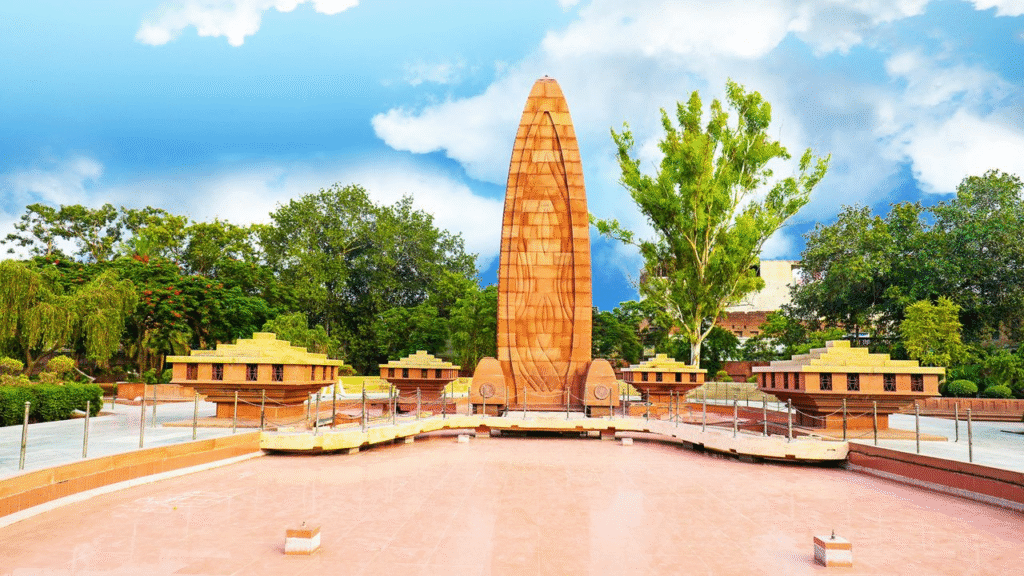
Jallianwala Bagh is a memorial garden, a short walk from the Golden Temple. In 1919, British troops massacred between 379 and 1,000+ unarmed civilians here during a peaceful gathering. The bullet holes in the garden walls are still preserved exactly as they were. Entry is free.
Allow 45 minutes. It is sobering, and it provides essential context for understanding Punjab’s history and its long relationship with British colonial rule.
Wagah Border Ceremony
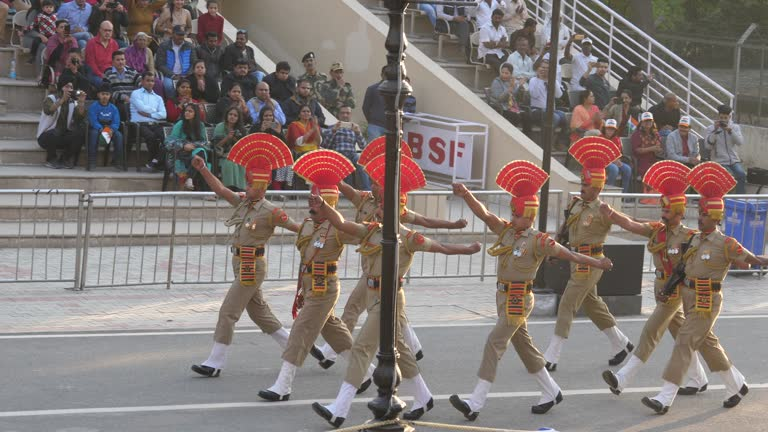
The Wagah Border is 15km from central Amritsar. Every evening at 5pm in summer (4pm in winter), Indian and Pakistani soldiers perform an elaborate flag-lowering ceremony. The choreography involves precise high-stepping marching and thousands of spectators on both sides of the border. Entry is free.
Take a shared auto for around Rs 20 ($0.25) or a taxi for Rs 400 to 600 ($5 to $7) return. Arrive at least 2 hours early to get a decent seat. The crowd energy and the military ceremony together make it one of India’s most theatrical daily events.
Amritsar Food
Amritsar is one of India’s great food cities, and it is extraordinarily cheap. Do not leave without eating these:
- Amritsari kulcha with chole: Rs 60 to 80 ($1) at any good dhaba
- Lassi from Ahuja Milk Bhandar: Rs 50 to 80 ($1), one of India’s most referenced lassi shops
- Full dinner at a quality dhaba: Rs 200 to 400 ($2.50 to $5)
- Avoid the restaurants directly facing the temple complex. Walk one street back and prices halve immediately
How to Get to Amritsar
| Route | Method | Duration | Cost (INR) | Cost (USD approx) |
| Delhi to Amritsar | Flight | 1 hour | Rs 2,000 to 4,000 | $24 to $48 |
| Delhi to Amritsar | Shatabdi Express | 5.5 hours | Rs 1,000 to 1,500 | $12 to $18 |
| Delhi to Amritsar | Overnight sleeper train | 9 hours | Rs 400 to 600 | $5 to $7 |
| Airport to temple area | Taxi | 30 minutes | Rs 400 to 600 | $5 to $7 |
| Station to temple | Auto-rickshaw | 10 minutes | Rs 50 to 80 | $1 |
Note: All prices are estimated based on averages. Train fares vary by class and booking date. Taxi fares depend on the time of day and whether you use a metered cab or negotiate a fixed rate. Always book trains in advance through IRCTC (irctc.co.in) to secure a seat. USD conversions are approximate at Rs 83 to $1.
Sri Guru Ram Dass Jee International Airport (ATQ) is 13km from the city. It has direct flights from Delhi, Mumbai, Dubai, and Doha. Amritsar Junction railway station is 2km from the Golden Temple, a Rs 50 to 80 auto-rickshaw ride away.
How to Pay in Amritsar as a Foreign Tourist
UPI is accepted at most restaurants, shops, and services in Amritsar. However, your foreign Visa or Mastercard will not work with UPI QR codes directly. UPI runs on a domestic payment rail that international cards cannot access. A prepaid UPI wallet solves this completely. Read our full guide on how foreigners use UPI in India to understand exactly how it works and how to set it up before your flight.
Cash vs UPI in Amritsar
The Golden Temple is free. The langar is free. You need cash or UPI for transport, food, and shopping. Here is the practical split for Amritsar:
- Registered restaurants and dhabas: UPI accepted at most
- Auto-rickshaws: mix of cash and UPI. Carry some Rs 50 to Rs 100 notes
- Wagah Border shared autos: cash preferred
- Jallianwala Bagh: free entry, no payment needed
- Street food stalls and small vendors: cash preferred
Keep around $10 to $15 in cash (Rs 800 to 1,200) for small informal transactions. Use UPI for everything else, and you will rarely need an ATM.
Setting Up a UPI Wallet Before You Arrive
CheqUPI is a regulated prepaid wallet for foreign tourists, issued in partnership with RBI-licensed Transcorp International. You load it with your international Visa or Mastercard and pay by scanning any UPI QR code. For most nationalities, there is no joining fee. Russian tourists pay a one-time fee of Rs 999 (around $12) and a loading fee of 2.95%. Every merchant payment costs Rs 0.
You can set it up from home before your flight and activate it within an hour of landing. It works across every city in India, so you set it up once and use it in Amritsar, Jaipur, Goa, and every stop in between. Visit chequpi.com/faqs for the full setup process, document requirements, and KYC options.
Amritsar Budget for Foreign Tourists
Amritsar is one of India’s most affordable cities. The temple entry is free, the langar provides free meals, and accommodation near the temple is cheap even by Indian standards.
| Category | Budget | Mid-Range | Splurge |
| Accommodation per night | Rs 500 to 1,200 ($6 to $15) | Rs 2,000 to 4,000 ($24 to $48) | Rs 6,000 to 12,000 ($72 to $144) |
| Food per day | Rs 250 to 500 ($3 to $6) | Rs 800 to 1,600 ($10 to $20) | Rs 2,500+ ($30+) |
| Transport per day | Rs 80 to 250 ($1 to $3) | Rs 400 to 800 ($5 to $10) | Rs 1,200+ ($15+) |
| Activities | Rs 0 (temple, langar, Wagah Border are all free) | Rs 400 to 1,200 ($5 to $15) | Rs 1,600+ ($20+) |
| Daily total | Rs 830 to 1,950 ($10 to $24) | Rs 3,200 to 6,400 ($38 to $77) | Rs 10,000+ ($120+) |
Note: All budget figures are estimates for June 2026. Accommodation prices rise sharply during Guru Nanak Jayanti (November) and Baisakhi (April 13 to 14). Book at least 2 weeks in advance during festival periods. USD conversions are approximate at Rs 83 to $1. The langar at the Golden Temple provides free vegetarian meals throughout the day, which significantly reduces daily food costs for budget travellers.
Where to Stay in Amritsar
Stay within a 10-minute walk of the Golden Temple. Dawn visits are far easier, you can return for the evening Palki Sahib ceremony without transport costs, and the old city food is right outside your door.
- Budget guesthouses near the temple: Rs 500 to 1,200 ($6 to $15) per night
- Mid-range hotels are a 10-minute walk from the temple: Rs 2,000 to 4,000 ($24 to $48) per night
- Upscale hotels in the city: Rs 6,000 to 12,000 ($72 to $144) per night
Note: Prices are estimates for June 2026. Availability drops and prices increase significantly during Gurpurabs (Sikh festival dates). Book accommodation in advance through any major booking platform. The SGPC (Sikh Gurdwara management committee) also operates basic free accommodation primarily for religious pilgrims, not tourists.
Conclusion
The Golden Temple is one of the few places that genuinely exceeds what you expect from it. Go at dawn before the crowds arrive. Eat in the langar. Return for the Palki Sahib ceremony at night. Add Wagah Border the next morning and Jallianwala Bagh in the afternoon. Two days are enough time to do all of this properly. Sort your UPI wallet and your cash before you arrive so that payments never interrupt the experience.
Frequently Asked Questions
1.Is the Golden Temple free for foreign tourists to enter?
Yes. Entry is completely free for every visitor. No tickets, no donations required at the gate. The langar also provides free meals all day to everyone, regardless of religion or nationality.
2.What is the best time to visit the Golden Temple?
Arrive between 4:30 and 5 am for the shortest queues and the most peaceful atmosphere. October to March is the best season overall. Summers regularly exceed 40 degrees Celsius and make daytime visits very uncomfortable.
3.Do I need to cover my head at the Golden Temple?
Yes. Head covering is mandatory for all visitors without exception. Free scarves and clothes are provided at the entrance. You do not need to bring your own.
4.How long should I spend at the Golden Temple?
Plan at least 4 to 6 hours for your visit. Dawn arrival for the atmosphere, time in the langar, a walk around the parikrama, and an evening return for the Palki Sahib ceremony fill a full day well.
5.Can I eat at the langar as a non-Sikh tourist?
Yes. The langar is open to every person regardless of religion, nationality, or background. Sit on the floor, accept the meal, and eat. Donating or volunteering in the kitchen is welcome but never required.
6.How do I get from Delhi to Amritsar?
The Shatabdi Express train takes 5.5 hours and costs Rs 1,000 to 1,500 ($12 to $18). A flight takes 1 hour and costs Rs 2,000 to 4,000 ($24 to $48). An overnight sleeper train costs Rs 400 to 600 ($5 to $7) and arrives in the morning.
7.What else can I see near the Golden Temple in Amritsar?
Jallianwala Bagh (free, 5-minute walk), the Wagah Border ceremony (15km, free, daily around 5 pm), Hall Bazaar for shopping, and Lawrence Road for the best dhabas in the city.
8.Can I use UPI or digital payments in Amritsar?
Yes. Most established restaurants and shops in Amritsar accept UPI. Foreign tourists need a prepaid UPI wallet like CheqUPI because standard foreign cards do not work at Indian UPI QR codes directly. Read the full guide.
9.Is photography allowed at the Golden Temple?
Yes. Photography is permitted throughout the complex. Be respectful near worshippers and avoid pointing cameras directly at people during prayer or during the Palki Sahib ceremony in the evening.
10.What should I wear to visit the Golden Temple?
Dress modestly with covered shoulders and knees. Remove shoes at the entrance. Cover your head (free clothes are provided). There is no specific colour or style requirement beyond modesty and comfort.
“Amritsar is one stop on a longer trip. Setting up a wallet once means you are sorted for the whole journey. Read our complete guide on how foreigners use UPI in India before your next stop.”