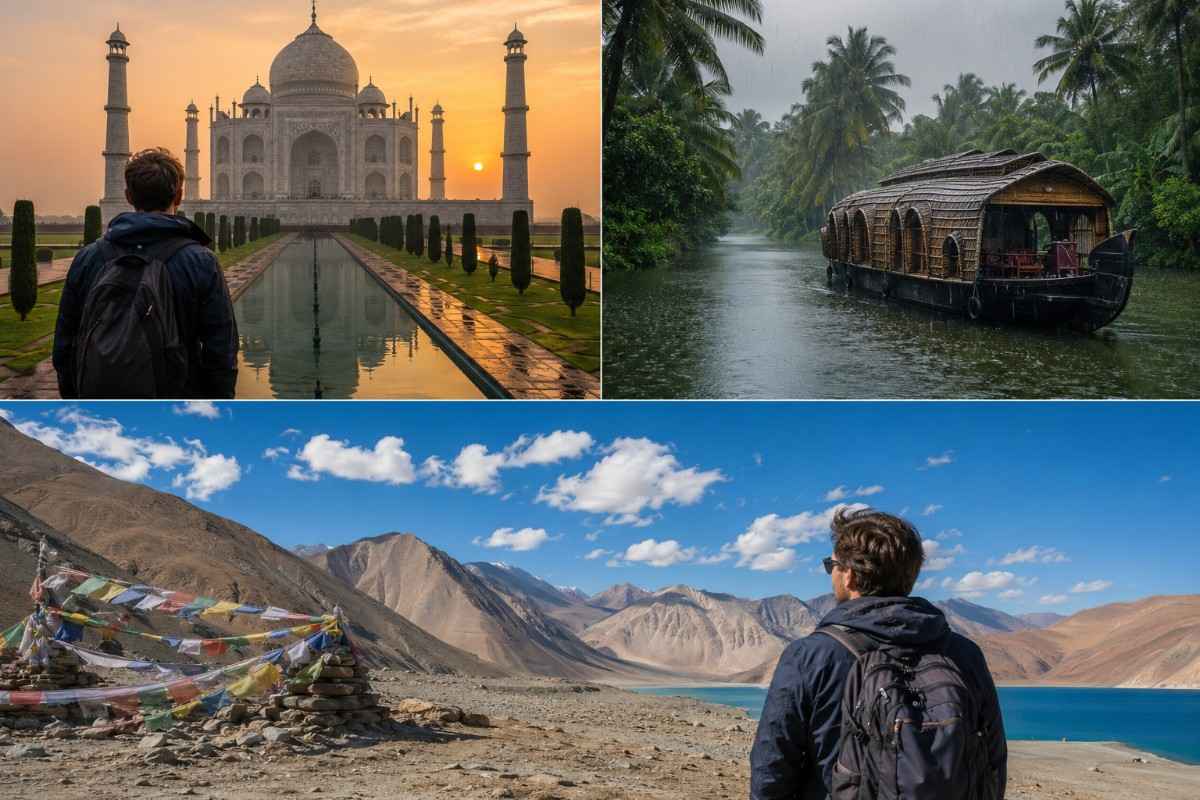
Every travel website says the same thing. Visit India between October and March. Avoid the monsoon. Wait for the season. So most foreign travellers do exactly that, and they arrive to find tour buses at every monument, hotel rates at their peak, and queues that stretch around the block at places like the Taj Mahal.
Experienced travellers know something those websites leave out. July is when India drops its prices, thins its crowds, and shows you a version of itself that the dry months simply cannot offer. The rain is real, but it is not what you imagine. And the rewards, lower costs, empty heritage sites, festivals that most tourists never see, are very real too.
Here is what actually happens when you travel India in July, and how to handle the practical side that almost nobody talks about.
Key Highlights
- Hotels in many destinations often drop rates by 30–50% during July., including five-star heritage properties in Rajasthan and Kerala.
- Ladakh and the Tamil Nadu coast receive very little July rain due to the rain shadow effect of the Himalayas and Western Ghats, while western Rajasthan remains dry because the Aravalli Range runs parallel to the monsoon winds.
- The Valley of Flowers in Uttarakhand hits its peak wildflower bloom between mid-July and August, with 500-plus documented species.
- Domestic flights on popular routes drop 20 to 50% compared to winter season pricing.
- Rath Yatra in Puri falls on July 16, 2026. Bonalu in Hyderabad runs across four Sundays from July 19 to August 9.
- Most of India’s retail economy runs on UPI QR codes, and your foreign card cannot scan them without a wallet in between.
Hotels Drop 40 to 50% and the Crowds Disappear
July is off-season for tourism across most of India. That single fact changes the economics of the whole trip. Properties charging Rs 15,000 (approx $160) a night in January regularly drop to Rs 7,500 (approx $80) or lower in July. The Oberoi chain, Leela Palaces, and Taj Hotels all run monsoon-rate promotions. A foreign traveller on a moderate budget can stay at places that would be completely out of reach in winter.
The crowd difference is just as striking. Monuments that see massive daily footfall in December run at a fraction of that in July. You get the same Taj Mahal, the same Amber Fort, but with space to actually stand still and take it in without someone’s selfie stick in your frame.
This is not a small saving on a two-week trip. When your hotel costs half and your flights cost a third less, you have freed up real money for experiences that actually matter.
The Monsoon Is Not What You Think It Is
Rain Patterns Vary by Region
The Indian monsoon is not a solid wall of water from June to September. Most days in July follow a recognisable pattern: clear mornings, rain for two to three hours in the afternoon, then cooler evenings that feel genuinely pleasant. You can still sightsee, eat out, and move between cities on most days without any real disruption.
The problems that do exist are regional, not country-wide. Mumbai’s western suburbs flood. Hill roads in Uttarakhand close after landslides. Goa’s beach shacks shut entirely. But these are specific pockets, not a reason to cancel the whole trip. Smart planning means choosing the right regions and building in a buffer day or two for delays.
Where It Barely Rains at All in July
Three zones sit almost completely outside the monsoon’s path. Ladakh receives around 15 mm of rain across the entire month of July. The Thar Desert strip, covering Jaisalmer and Jodhpur, stays dry with only brief showers. And the southeast Tamil Nadu coast around Rameswaram gets its rain from October to December via a different system entirely.
July is actually peak season for Ladakh. The roads are open, the high passes are clear, and the skies stay blue for days at a stretch. Pangong Lake, Nubra Valley, and the monasteries around Leh are all at their most accessible. The same month that floods Mumbai gives Ladakh its finest weather of the year.
Destinations That Peak in July, Not Despite It
Udaipur, Valley of Flowers, and Kerala Backwaters
Udaipur in July is genuinely a different city. Lake Pichola fills up completely. The Sajjangarh Monsoon Palace earns its name as clouds roll across the hilltop. Hotel rates in the City of Lakes drop sharply, making lakeside stays affordable in ways they never are in winter.
The Valley of Flowers in Uttarakhand opens in early June, but peak bloom, when more than 500 species of alpine wildflowers carpet the meadow, runs from mid-July through August. Outside that window the valley is either snowbound or past its best. If you want to see it at its most spectacular, mid-July to August is the only time that works.
Kerala’s backwaters swell during monsoon, making houseboat cruises more dramatic and the surrounding countryside a deep green that looks nothing like its dry-season version.
Monsoon Festivals No Peak-Season Visitor Ever Sees
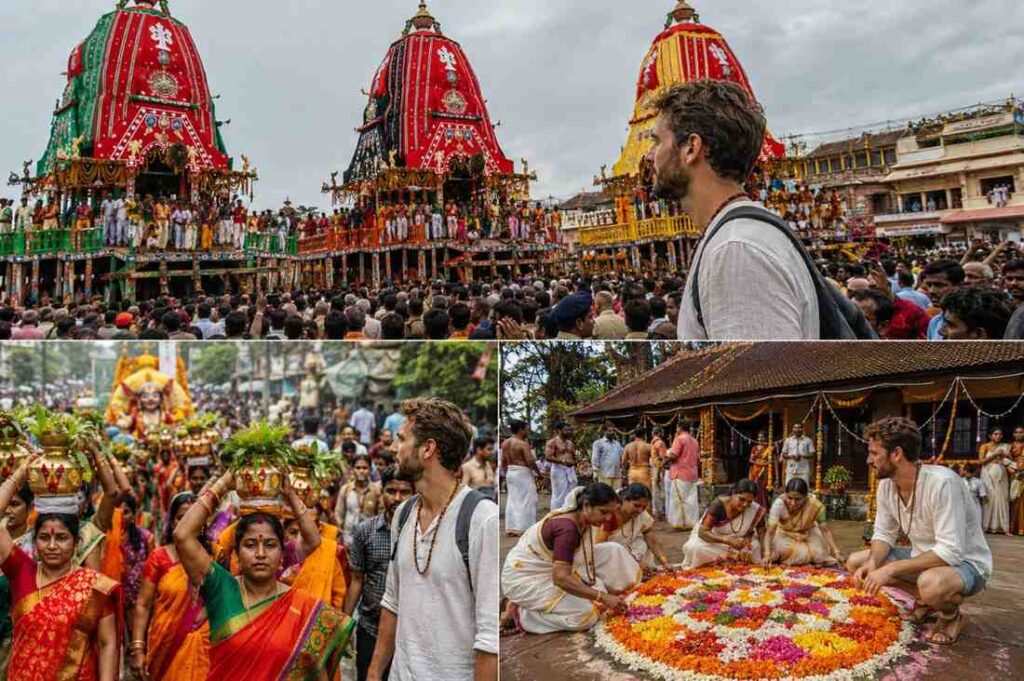
India’s festival calendar does not pause for rain. Some of the most visually powerful celebrations happen only during monsoon, and most tourists on a winter itinerary never see any of them.
Rath Yatra in Puri, Odisha falls on July 16, 2026, one of the largest chariot processions in the world and open to visitors of all nationalities. Bonalu in Hyderabad runs across four Sundays from July 19 to August 9 in 2026, with colourful processions to Goddess Mahakali temples across the city. Hariyali Teej falls on August 15, 2026, celebrated across Rajasthan and northern India with swings, dancing, and green-themed clothing. Onam in Kerala lands on August 26, 2026.
None of these are manufactured for tourists. They are living cultural events that peak-season visitors simply miss by timing their trip around a travel website’s advice.
The Practical Side Most People Skip
What to Pack
Keep it simple. A waterproof daypack, quick-dry shoes with grip, a light rain jacket, and mosquito repellent cover 90% of what you need. Rubber-soled sandals work better than trainers on wet streets.
Pack a power bank. Monsoon brings power outages in smaller towns, and you will want your phone charged for maps and payments. A waterproof phone pouch is worth having for the downpour that catches you off guard. If you are heading to Ladakh or any hill station, bring one warm layer because July nights in Leh drop to 5 to 10 degrees Celsius.
Payments When Card Machines Lose Power
This is the part almost nobody mentions before you land. When power goes out in a smaller town during the monsoon, the card terminal goes with it. Power outages are more common during the monsoon in some smaller towns, which can affect card terminals. ATMs run dry faster, too, because fewer cash refill vehicles make their rounds during heavy rain. And even in good weather, most of India’s retail economy runs on UPI QR codes rather than card machines.
A foreign credit or debit card cannot scan a UPI QR code. It only works at hotels and larger shops with card terminals. In the monsoon, those terminals become less reliable precisely when you need them most. You end up caught between a dead card machine and a QR code your card cannot touch.
The fix is to load a UPI wallet before you arrive. CheqUPI is free to join and works with any international Visa or Mastercard. You load rupees at 2.95% plus applicable tax, and every merchant payment after that costs 0%. It works at any of India’s 55 million-plus UPI merchants, from tea stalls and pharmacies to train counters and restaurants. If there is a QR code on the counter, it works.
You do not need an Indian bank account or an Indian SIM card. You need an internet connection and location access. OTP sent via SMS and WhatsApp. If the SIM is not active, WhatsApp still works. A quick verification step after download takes 5 to 10 minutes once you are in India. For a full walkthrough of how the process works, this breakdown of how UPI works for foreign travellers covers every step clearly.
For broader preparation, including health precautions and how to handle transport during heavy rain, this overview of monsoon travel safety in India is worth reading before you fly.
The Visa Timing Advantage
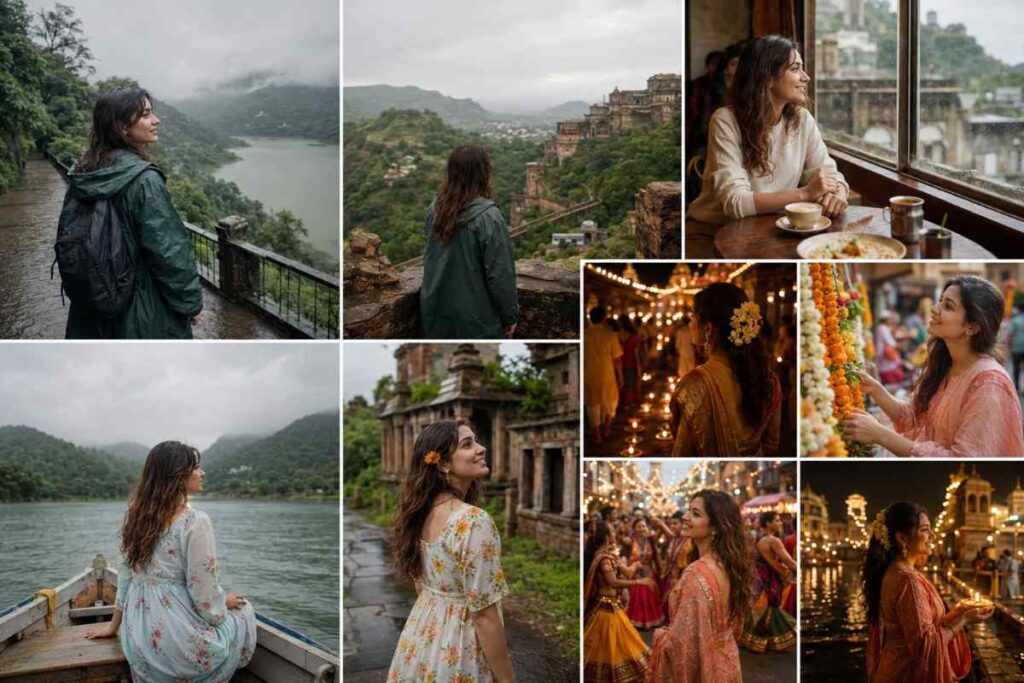
A July arrival on a standard 60-day e-visa gives you monsoon through early September. That means you catch the tail end of the rains, the start of the festival season including Ganesh Chaturthi on September 14 and Onam on August 26, and the first weeks of autumn, all inside a single visa window.
Compare that to a November arrival, where you get peak prices, peak crowds, and a single season. July lets you experience two very different versions of India without applying for a second visa.
Conclusion
July is a different India, not a worse one. It costs less, shows you things the dry season hides, and slows you down in ways that make the trip better. The rain is real but manageable. The savings are real, too.
The one thing to get right before you land is payments. Load CheqUPI, carry a small amount of cash for auto rides and tips, and keep one credit card as a backup at hotels. That three-part setup works whether the sun is out or the monsoon is coming down hard. For a practical look at planning the finances of your India trip, this breakdown of budgeting for India travel is a useful starting point before you book anything.
Frequently Asked Questions
1.Is July a good time to visit India?
Yes. Hotel rates drop 40 to 50%, crowds thin dramatically, landscapes turn green, and monsoon-only festivals like Rath Yatra and Bonalu happen only during this period. Ladakh and western Rajasthan stay almost completely dry throughout July.
2.Does it rain all day in India in July?
No. Most areas get two to three hours of afternoon rain followed by clear evenings. Mornings are usually dry enough for sightseeing, outdoor activities, and moving between cities without significant disruption to your plans for the day.
3.Which parts of India have no rain in July?
Ladakh gets around 15 mm of total rainfall in all of July. Jaisalmer and western Rajasthan stay largely dry. The southeast Tamil Nadu coast around Rameswaram receives its monsoon from October to December through a completely separate weather system.
4.Are flights to India cheaper in July?
Yes. Domestic routes drop 30 to 50% compared to peak winter pricing. International fares also tend to be lower because July falls well outside the main holiday travel window that pushes prices up between October and March each year.
5.Can I visit the Taj Mahal in July?
Yes. The Taj Mahal stays open year-round. July crowds are a fraction of the December peak, so you get better photographs, shorter queues, cooler mornings, and the rare experience of seeing it without hundreds of other visitors in every shot.
6.What should I pack for India in July?
A waterproof daypack, quick-dry shoes with good grip, a light rain jacket, mosquito repellent, a power bank, and a waterproof phone pouch. If visiting Ladakh or any hill station, bring one warm layer because July nights regularly drop to 5 to 10 degrees Celsius.
7.Do foreign cards work in India during monsoon?
Large hotels accept cards, but power outages shut down terminals in smaller towns during heavy rain. A UPI wallet like CheqUPI keeps you connected to 55 million-plus merchants by QR code regardless of whether the power is on or off.
8.Is monsoon travel safe for foreign travellers?
Yes, with sensible planning. Avoid flood-prone urban zones and landslide-risk hill roads after sustained rain. Build buffer days into your itinerary for weather delays. Carry mosquito repellent and stay updated on local conditions as you move between regions.
9.Are monsoon festivals worth seeing in India?
Absolutely. Rath Yatra in Puri on July 16, Bonalu in Hyderabad from July 19 to August 9, and Onam in Kerala on August 26 are genuine cultural events, not tourist productions. They happen only during monsoon and most peak-season visitors never see them.
10.How do I pay at small shops in India during July?
Most small shops use UPI QR codes that foreign cards cannot scan. Load a wallet like CheqUPI from your international Visa or Mastercard at 2.95% plus applicable tax, then pay any merchant at 0% fee by scanning their QR code directly from your phone.
“Your foreign card handles the hotel bill. CheqUPI handles the other 55 million merchants your card cannot reach, rain or shine.”